Opener does nothing
The opener may have a power, control, remote, keypad, wiring, or internal component problem.
Clarksville, Tennessee
If the opener will not run, the motor operates but the door does not move, the door reverses unexpectedly, or remotes and keypads stop responding, the problem may involve the opener or another part of the garage door system. Describe what is happening and request service in Clarksville.
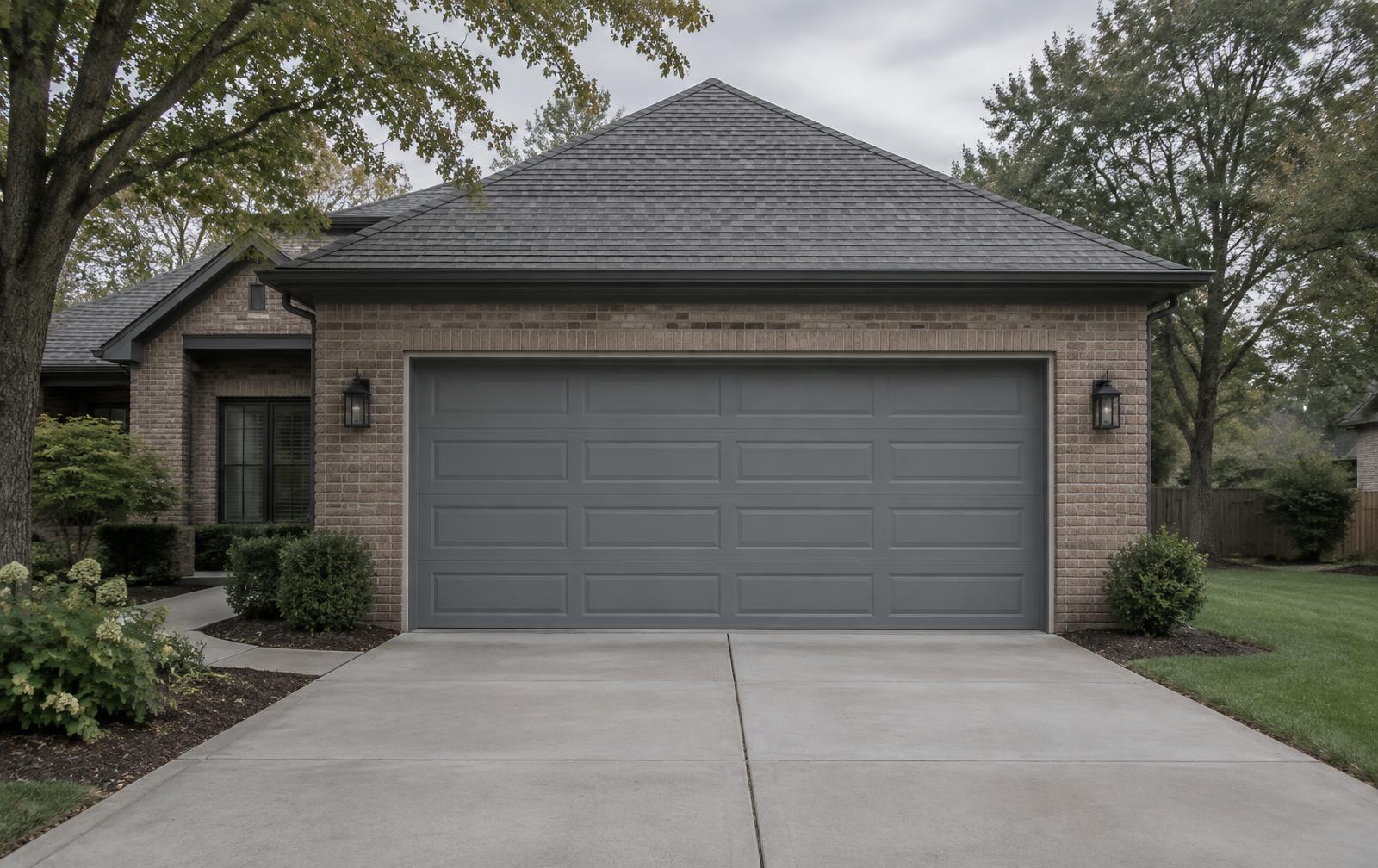
Opener problems do not always originate in the motor itself. Start with the behavior you are seeing or hearing rather than assuming which component has failed. These symptoms can have multiple causes and are not definitive remote diagnoses.
The opener may have a power, control, remote, keypad, wiring, or internal component problem.
The opener may be operating while a trolley, drive component, spring, or other mechanical part prevents normal door movement.
Safety sensors, an obstruction, opener settings, door balance, or another issue may cause the door to reverse.
A remote may have a battery, programming, signal, or opener-receiver issue.
Keypad problems may involve batteries, programming, controls, or communication with the opener.
Intermittent operation can involve controls, sensors, electrical connections, the opener itself, or other system conditions.
Grinding, rattling, humming, or other new sounds may point to an opener component, drive system, hardware, or another part of the door.
Sensor alignment, obstructions, opener controls, door balance, or mechanical problems can prevent normal closing.
If the opener has stopped working or the door will not open or close normally, describe the symptoms and request garage door opener service in Clarksville.
The opener, its controls, and the moving door work as one system. Similar behavior can result from different electrical, control, or mechanical conditions.
An opener can receive power yet fail to move the door normally. Depending on the system, the motor, gear, belt, chain, screw-drive, trolley, or a related component may be involved. The sound or movement alone does not confirm which part needs attention.
A door that starts closing and reverses may involve an obstruction, dirty or blocked photo eyes, sensor misalignment, wiring, or a connection issue. Some systems also display blinking sensor indicators, but indicator behavior varies by opener.
Dead batteries, lost programming, signal or receiver trouble, and keypad communication issues can interrupt operation. Whether one control or every control has stopped working can help narrow the possibilities without proving the cause.
An opener that works sometimes but not others can involve controls, sensors, electrical connections, opener components, or changing conditions elsewhere in the system.
New grinding, humming, rattling, or straining sounds can come from the opener drive system or from mechanical resistance elsewhere in the garage door.
A door that will not move normally can involve the opener or the physical door system. Springs, cables, tracks, rollers, and door balance can affect how the opener behaves.
Symptoms can overlap, so the behavior of the opener alone may not identify the underlying problem. These clues can help describe the issue without diagnosing it.
Stop operating the door if it hangs crooked, a spring appears broken, a cable is loose or hanging, the door has come off track, the door binds severely, or the door appears unstable. The same applies when the opener strains against a door that will not move normally.
Repeatedly cycling an opener against a mechanical door problem can place additional stress on the system. Leave springs, cables, tracks, and opener internals alone and request service; if the garage cannot be secured or a vehicle is blocked, review urgent garage door situations.
The answer depends on the specific problem and the condition of the existing opener. Repair may be worth evaluating when a serviceable component, control, sensor, remote, or keypad is involved and the opener otherwise meets the homeowner’s needs.
Replacement may warrant consideration when problems recur, a major component has failed, compatibility or overall condition makes replacement more practical, or the homeowner wants functionality the current system does not offer.
Considering a new or replacement opener? See Garage Door Opener Installation
Use the closest service guide when opener behavior points toward the door’s lifting, track, or cable system, or when a replacement opener is being considered.
Doors that stick, sag, grind, bind, hang unevenly, or refuse to move — including problems involving rollers, hinges, hardware, and damaged panels.
A loud bang from the garage, a door that feels impossibly heavy, or a visible gap in the coil above the door.
Opener replacement and new installs, including belt-drive, chain-drive, wall-mount, and Wi-Fi models.
A door stuck open, a car trapped inside, or damage that leaves the garage unsecured right now.
Frayed or snapped lift cables, cables off the drum, and doors hanging crooked in the opening.
Bent, dented, or misaligned tracks, rollers jumping out, and doors that have come off track.
Cumberland Crest Garage Doors accepts garage door service requests from Clarksville and may connect requests from nearby Montgomery County communities with available independent garage door service providers. Availability should be confirmed when requesting service.
Describe what the opener or garage door is doing by phone or through the short request form.
Share your ZIP code and the symptoms you are seeing or hearing.
Availability, scheduling, scope, and pricing can be discussed with the independent service provider handling the request.
Possible causes include lost power, a control or remote problem, sensor trouble, wiring, an internal opener component, or resistance in the door itself. Note whether the opener has power, makes a sound, or moves the door at all, but avoid treating one symptom as a definite diagnosis.
The opener may be running while a trolley or drive component is not transferring movement, or the door may have a spring, cable, track, or balance problem. Stop cycling the opener if the door is unusually heavy, crooked, or unstable.
An obstruction, dirty or misaligned safety sensors, opener settings, wiring, or a door-balance problem may cause reversing. If the door binds, moves unevenly, or appears unstable, stop operating it and request service.
Photo eyes can be obstructed, dirty, misaligned, disconnected, or affected by a wiring or opener-control issue. Sensor indicators may provide a clue on some systems, but their meaning varies by model.
A dead battery, lost programming, signal interference, receiver trouble, or an individual remote failure may be involved. If wall controls and other remotes also fail, the issue may extend beyond one remote.
Intermittent operation can involve controls, sensors, electrical connections, signal conditions, internal opener components, or mechanical resistance in the door. The conditions present when it fails can help an independent provider evaluate the problem.
Remote, keypad, sensor, and control behavior can suggest an opener issue. A loud bang, very heavy door, loose cable, crooked movement, an off-track roller, or binding can point toward the physical door system. Symptoms overlap, so an inspection may be needed.
Repair may be worth evaluating when a serviceable component is involved and the opener otherwise meets your needs. Replacement may make more sense for recurring problems, major component failure, compatibility concerns, or when updated functionality is important. There is no universal age or price rule.
Manual operation may not be appropriate when the door is unusually heavy, crooked, off track, binding, unstable, or has a visibly damaged spring or cable. Do not disconnect or move a door in those conditions; request service instead.
Describe what the opener and door are doing and share your ZIP code. Your request may be connected with an available independent garage door service provider serving Clarksville.
(931) 277-6500Five quick fields. If the door is stuck, unsafe, or blocking a vehicle, calling (931) 277-6500 is faster.